
The Most Important Form You’ve Never Heard Of…The ACDV
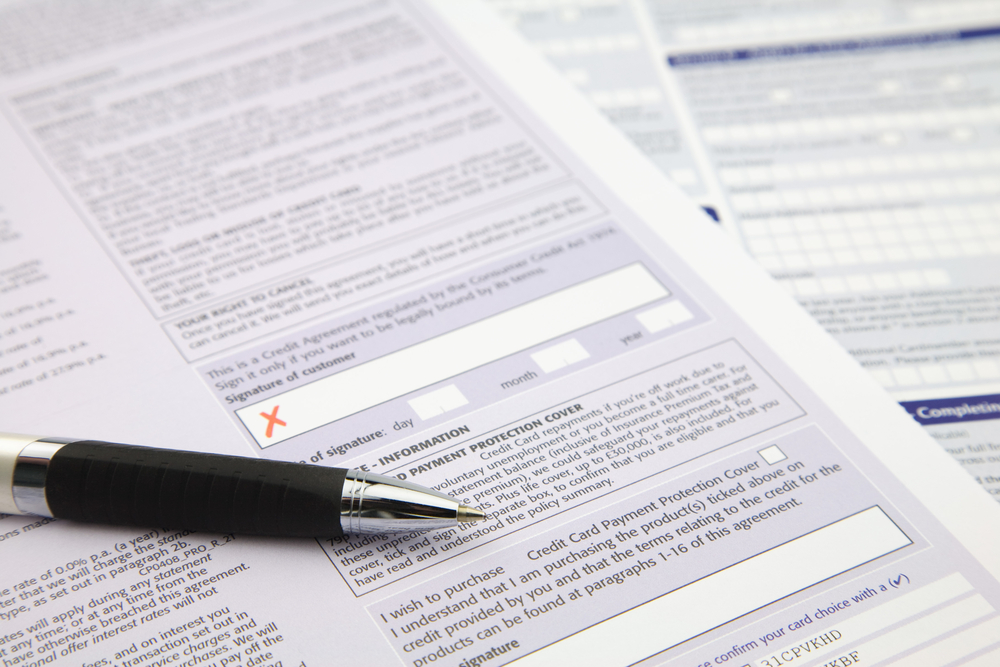
The world of credit is full of terms and acronyms that sound completely foreign to most consumers. Automated Consumer Dispute Verification forms, better known as ACDVs, fit firmly within this category of funny sounding acronyms. And although “ACDV” may not roll smoothly off the tongue, they play a very important role in helping consumers to maintain accurate information on their credit reports.
>Your Right to Dispute
Credit reporting errors are known to happen, and they occur more frequently than you might believe. The Federal Trade Commission estimated that some 40+ million mistakes in a study the agency conducted a few years ago.
Whether or not you are a fan of the credit reporting agencies (CRAS) the truth is that Equifax, TransUnion, and Experian do not want to report inaccurate information about you. Reporting incorrect data can get the CRAs into a lot of trouble with the Feds and consumer advocate attorneys. However, each CRA maintains credit files on over 200 million consumers such a large amount of information leaves room for errors.
Sometimes credit reporting errors are the CRAs’ fault. Other times the CRAs are simply reporting inaccurate information that has been provided by the various companies that furnish to the CRAs. Regardless of how an inaccurate piece of information may have ended up on your credit reports, the good news is that you have the right to dispute any information with which you disagree. You are given this right, along with many others, under the Fair Credit Reporting Act (FCRA).
ACDV Forms and the Role They Play
You may wonder why I have spent all this time discussing credit reporting errors and disputes instead of ACDV forms. This funny sounding form is THE key to allowing the CRAs to investigate consumer disputes.
Whenever you dispute an item on one of your credit reports with one of the CRAs they are required to investigate your claim within 30 days or less, in most cases. The first thing that happens is your dispute is homogenized into a 3 digit code, formally called a “dispute code.” This code is meant to capture the nature of your dispute like; not mine or never late. That code is placed on a dispute form, which is the ACDV.
The ACDV is then sent to the furnishing party, which is normally a bank, credit card issuer or a debt collector. It is sent over a communication system called e-OSCAR. Think of e-OSCAR as a telephone line. All it’s used for is to communicate forms between credit bureaus and companies that send information to the credit bureaus.
The furnishing party receives the ADCV and “works” it, which means it is assigned to an employee at the lender who then performs the investigation. This can take one day, or weeks, depending on the nature of the dispute and the amount of work required. Once a data furnisher has completed their investigation into your dispute they log the results on the same ACDV form and send it back to the credit bureaus via e-OSCAR.
By sending the same ACDV form back to the CRA, the data furnisher will instruct the CRA to either update, delete, or make no changes to the disputed item. At this point the CRA will close out the investigation into your dispute and will notify you regarding the results. This entire process generally takes no longer than 14 days given the automation of the process and the ACDV forms.